Hi guys, welcome to the tenth lectureof the course: Biological diversity, theories, measures andsampling data techniques. Today, I will talk to you about Gaia andbiodiversity.
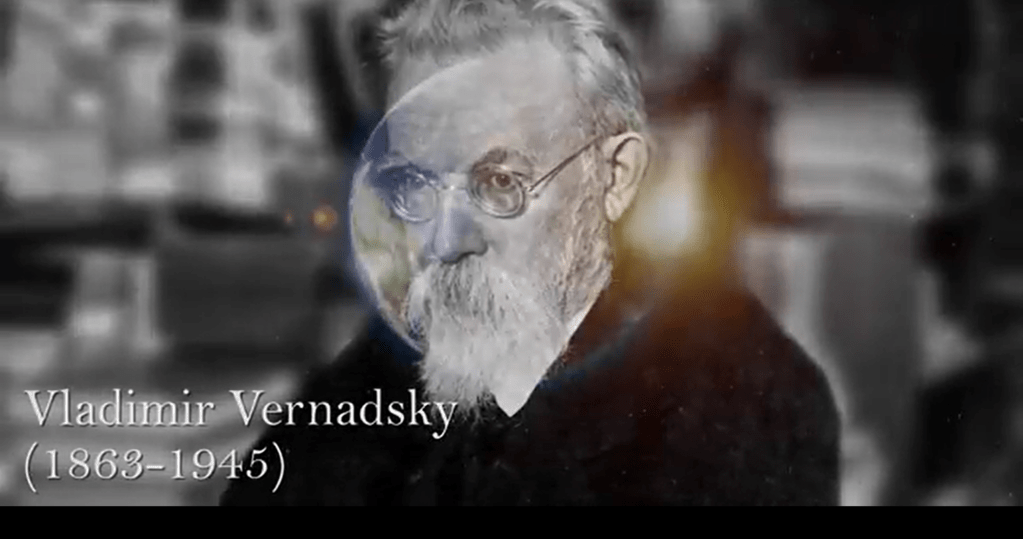
Gaia hypothesis was firstly proposed bythe Russian scientist Vladimir Vernadsky. The idea is that Earth is a perfect planet for life. But according to the Gaia theory, this is not a coincidence. From the moment life first appeared on Earth, it has worked hard to make Earth a more comfortable place for life. Gaia theory suggests that Earth and these natural cycles can bethought of like a living organism. When one natural cycle starts to go out of the kilter, other cycles work to bring it back, continually optimizing the condition of all life on Earth
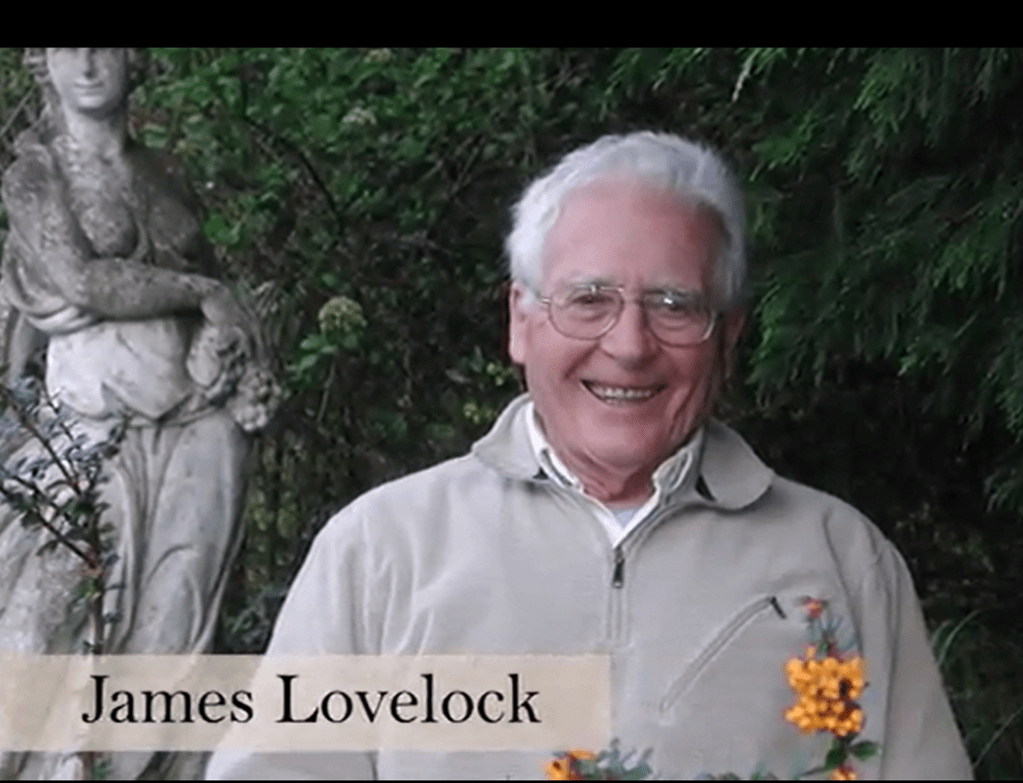
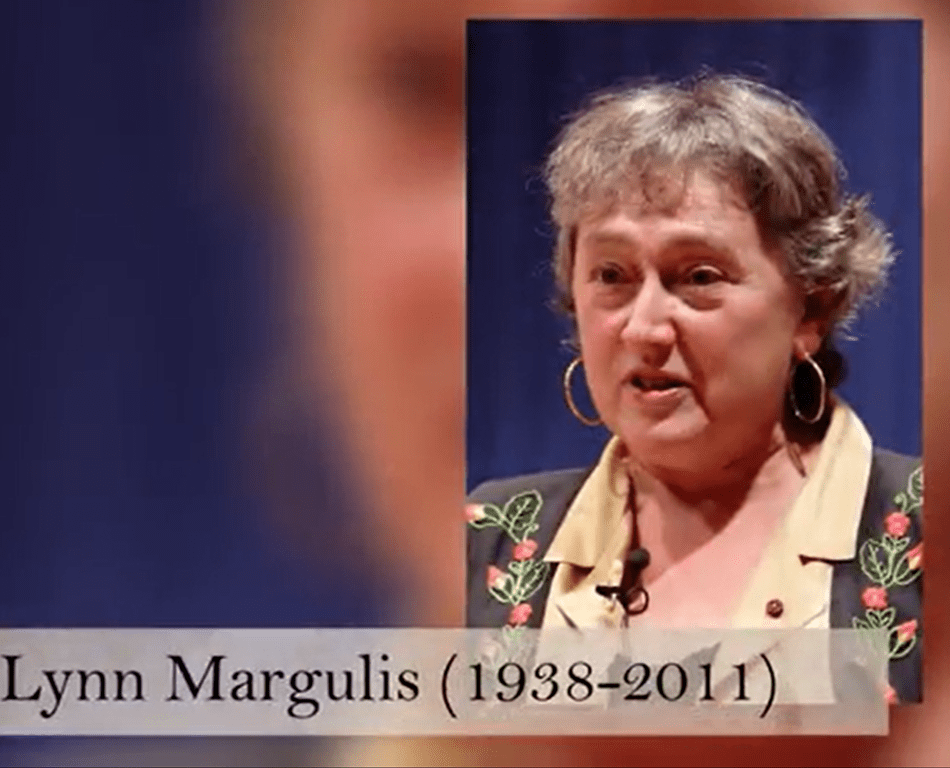
This idea was first proposed, as I told you, by Vladimir Vynasky, and then named after the Greek God Gaia in 60 by James Lovelock and Lynn Margulis. At that time Lovelock was working for NASA looking at the method of detecting life on Mars. The theory came about as a way of explaining why the Earth atmosphere contains highlevels of nitrogen and oxygen.
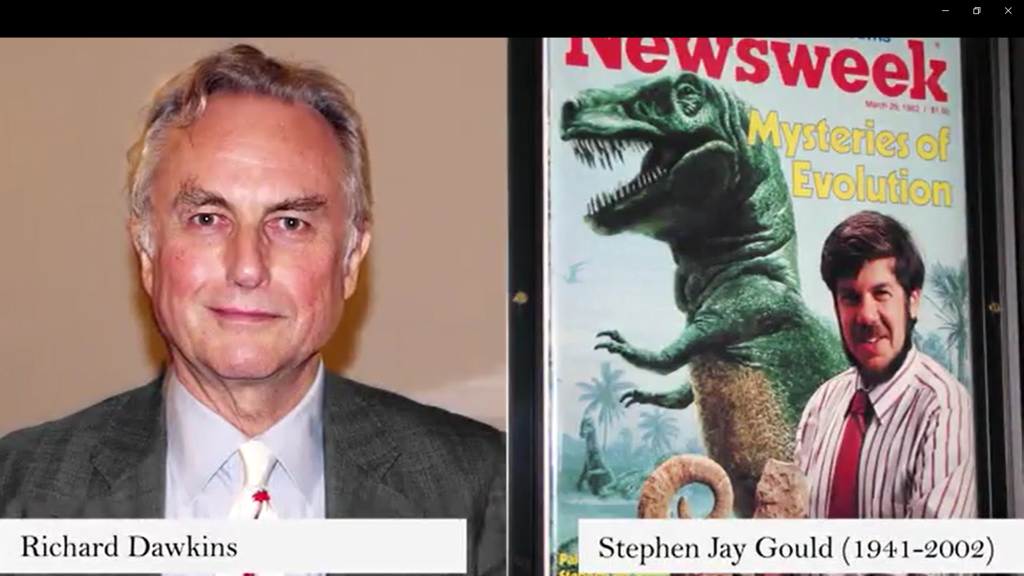
Initially, Gaia theory was ignored and then later ridiculed by scientists such as Richard Dawkins and Stephen Jay Gould. The theory helps to explain some of the most useful feature of our planet Earth. Such as why atmosphere is mostly carbondioxide and why the oceans are salty. Feedback loops often appear to keep the planet in balance.
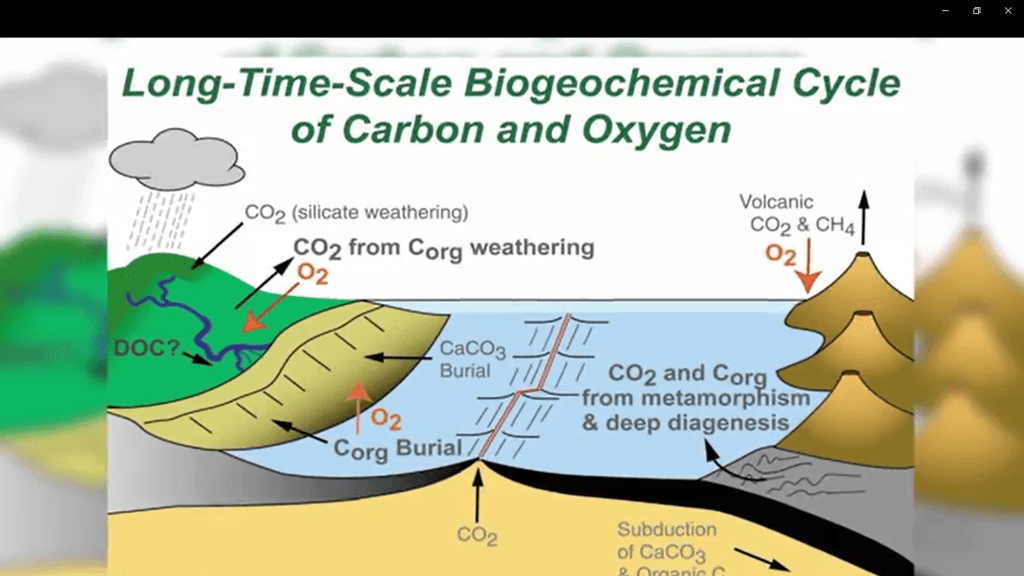
One good example of this is the way in which atmospheric carbon dioxide is kept in check. Carbon dioxide is pumped into the atmosphere by volcanoes and removed by weathering of rocks, encouraged by bacteria and plant roots in soil. When it reaches the sea, the dissolved carbon dioxide is used by tiny organisms known as a coconeto forestaliato make their shells.
When coconeto first die, they release a gas emitting sulfate which encourages the formation of clouds in the atmosphere. So you see how the cycle is complete.
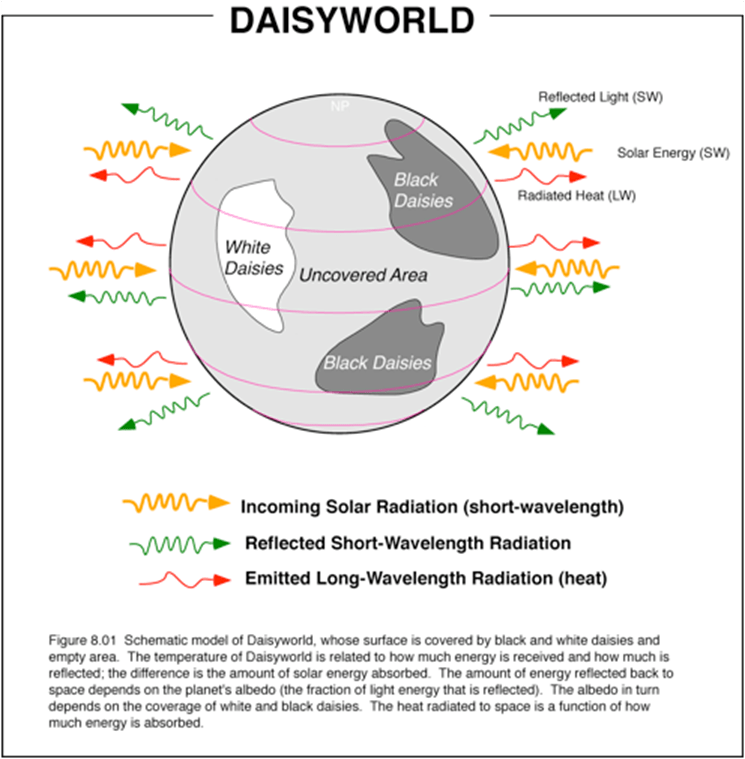
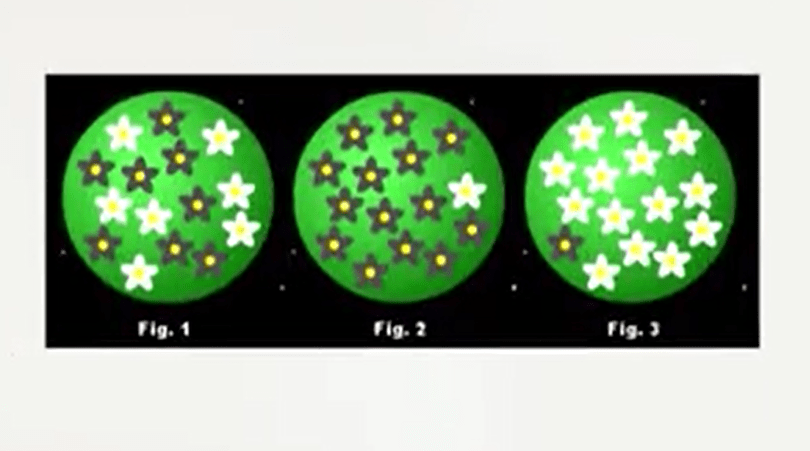
To argument Gaia hypothesis James Lovelock developed Daisy World. Daisy World, a computer simulation, is a hypothetical world orbiting a star whose radiant energy is slowly increasing or decreasing. It was introduced by both Sir James Lovelock in a paper published in 1983, to illustrate the plausibility of the Gaia hypothesis. In the original version, Daisy World isseeded with two varieties of daisy as its only life forms – black daisies and white daisies. White petaled daisies reflect light,while black petaled daisies absorb light.
The simulation tracks the two daisy populations and the surface temperature of Daisy Worldas the sun rays grow more powerful. The surface temperature of Daisy World remains almost constant over the broad range of solar altitudes. The importance of the large number of species in an ecosystem led to two sets of views aboutthe role played by biodiversity and the stability of the ecosystem in Gaia theory. In one school of thought labeled the“species redundancy” hypothesis, proposed by the Australian ecologist Brian Walker, most species are seen as having littlecontribution overall in this ability. Comparable to the passengers in an airplane who play little role inits successful flight. The hypothesis led to the conclusion that only a few species, k-species, are necessary foran LT ecosystem. The second idea is the “rivet-popper”hypothesis put forward by Paul Ehrlich and his wife Ann Ehrlich, which compareseach species forming part of one ecosystem as an airplane represented by the ecosystem. The progressive loss of species mirrors the progressive loss of rivets from the plane, waiting until it is no longer sustainable and crashes.
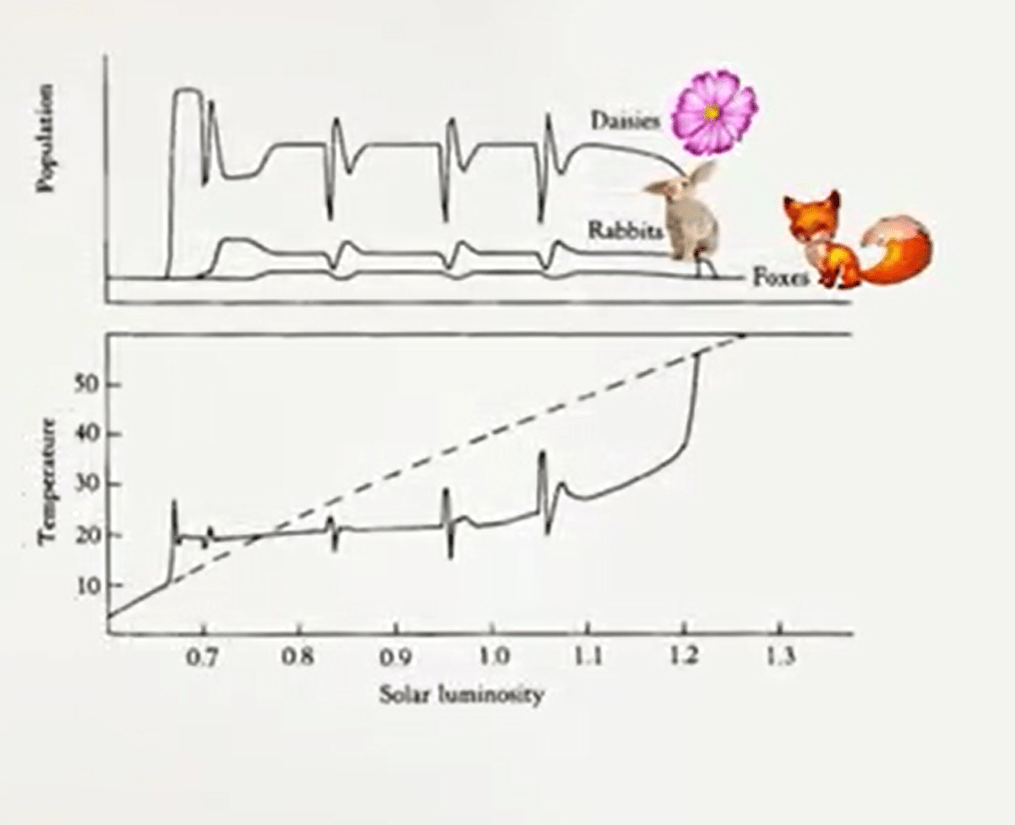
Later extension of the Daisy World simulation which included rabbits, foxes and other species led to the surprising finding that the larger the number of species, the greater theimproving effects on the interior planet. For instance, the temperature regulation was improved. It also showed that the system was robust and stable. Daisy World simulation where environmental changes are stable gradually becomes less diverse over time. In contrast gentle perturbation lead to most of species richness.
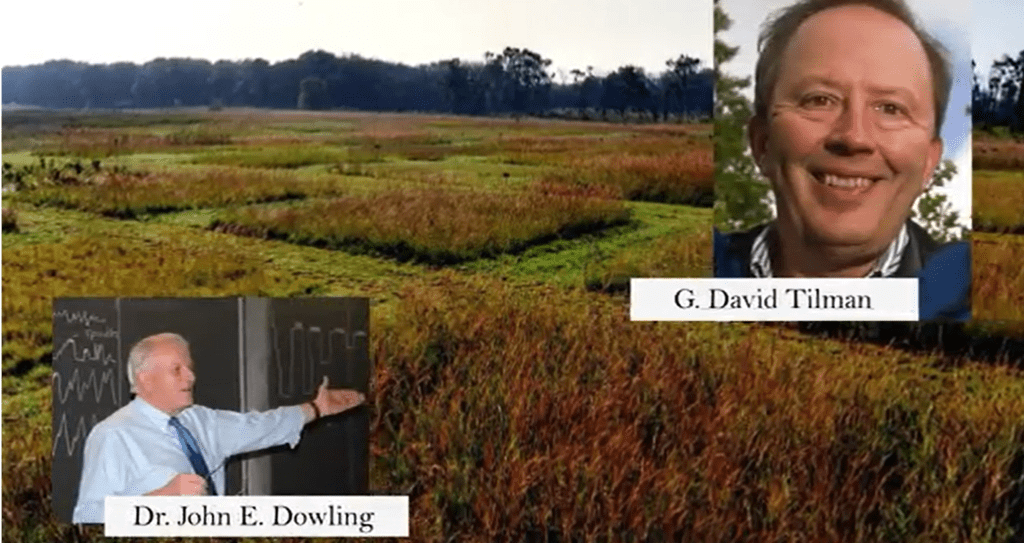
These findings lend support to the idea that biodiversity is variable. These results were also supported by an 11 year old study of the factors species composition dynamicsand diversity in successional and native grassland in Minnesota by David Tilman and John Dowling, wherein they discovered that primary productivity in more diverse plant communities is more resistant to and recovers more fully from major drugs.
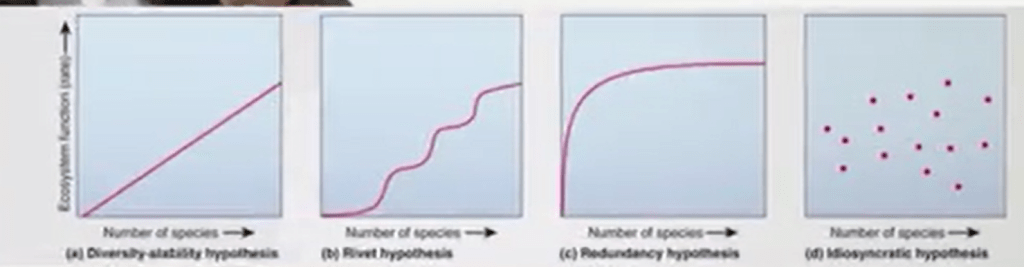
They go on to add our result support the diversity stability hypothesis but no real alternative hypothesis that most species are functioning or redundant. The ecological rule of biodiversity became a highly controversial subject at the end of the 20th century. When Robert May, in 1972, wrote hisnow classic book on stability and complexity in model ecosystem, he followed Altam in emphasizing question in population ecology. Such as are populations incomplex ecosystems more stable? However, for mathematical convenience, May considered small perturbation to equilibrium system, which are probably not representative of many systems in planetary ecology. Recently, the trend has been to start to ask questions about the effect of species richness on ecosystem services.
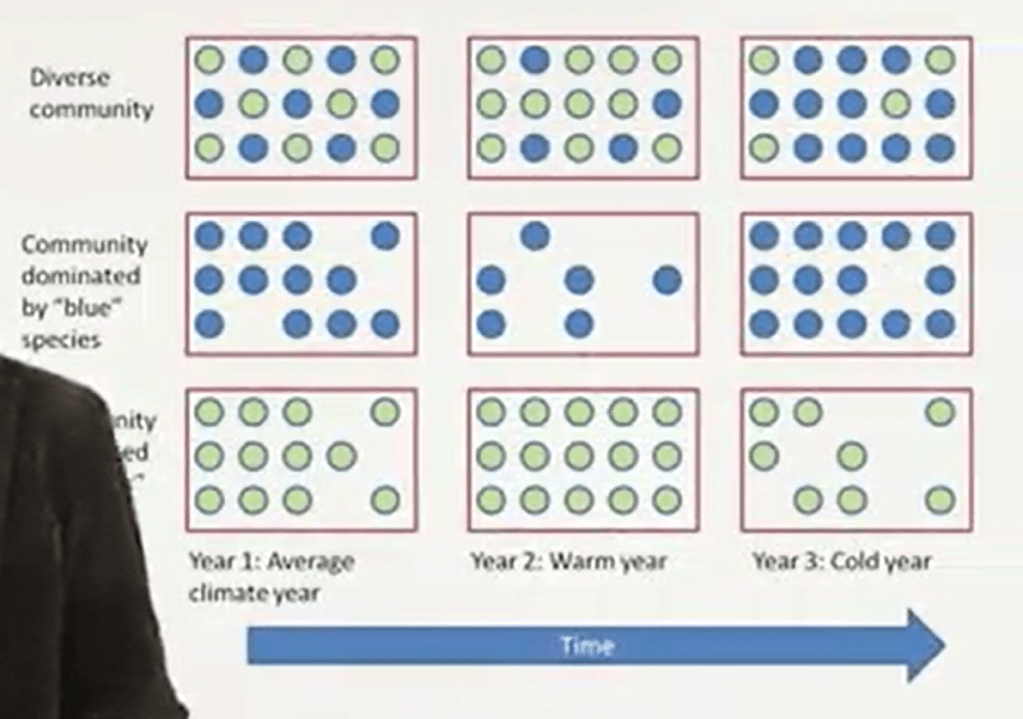
You will remember this figure that I explained to you in the previous lectures.
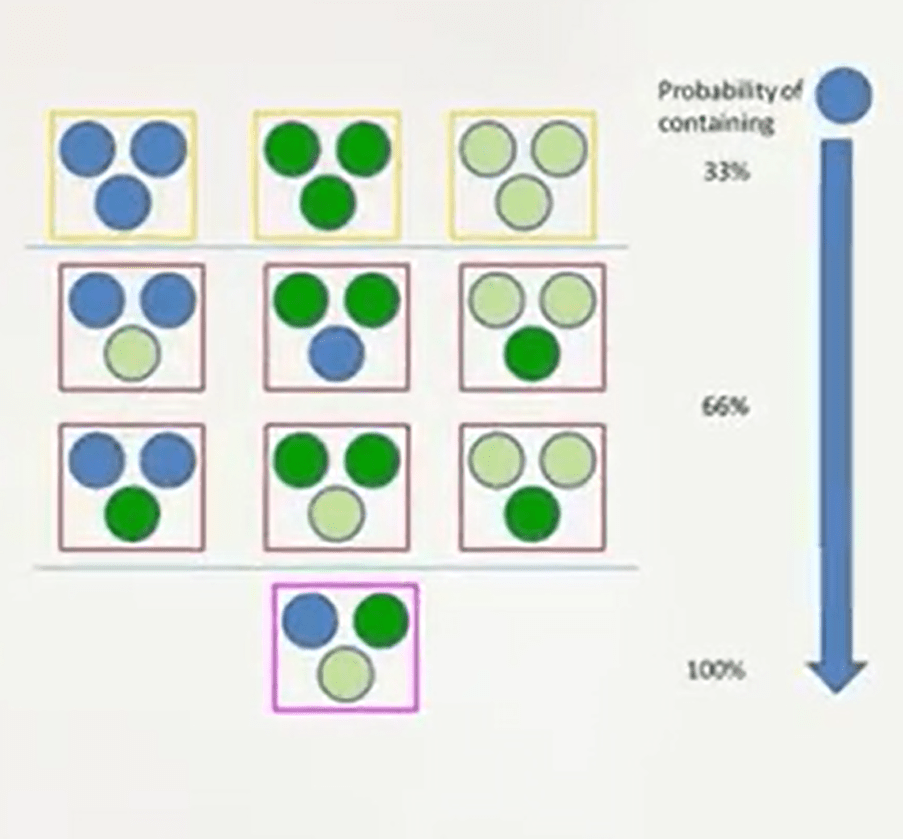
As is now well know, these questions are not straight forward to answer. For example, the more species that are in the system, the more likely that one of them will be higher productive. And so give the impression that higher species richness causes higher biomass. So species richness cannot easily be separated from the identity of the species. These questions are now of great importance due to the large scale human-caused extensions. A problem which has fed from technical ecological literature to more accessible general text.
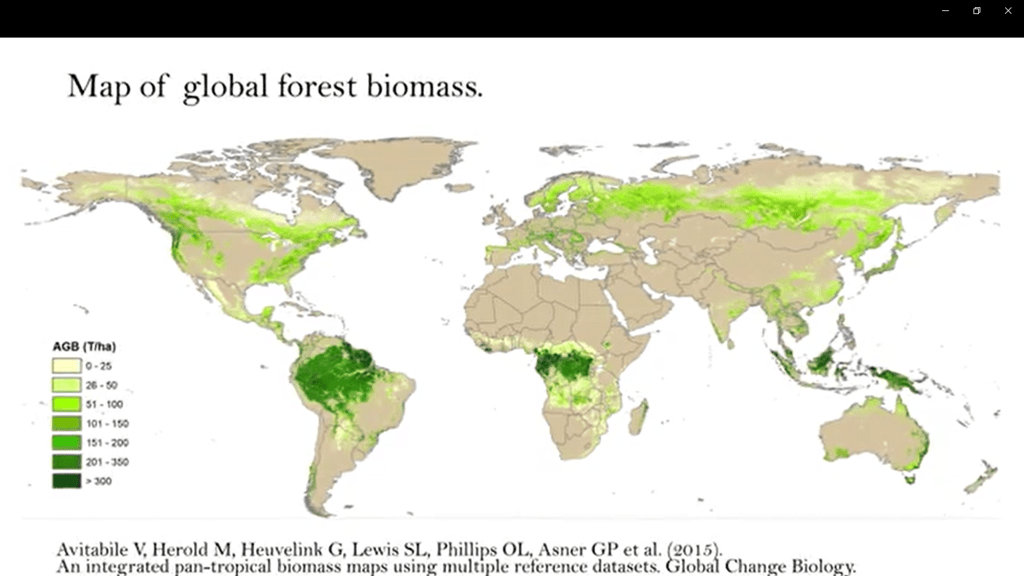
So what are the Gaian effect of biodiversity? Seeds plants are basic to most detrital food webs and are easier to experimentally manipulate than most animals, they are a useful group to think about. Consider some measure of a plant community such as total biomass.
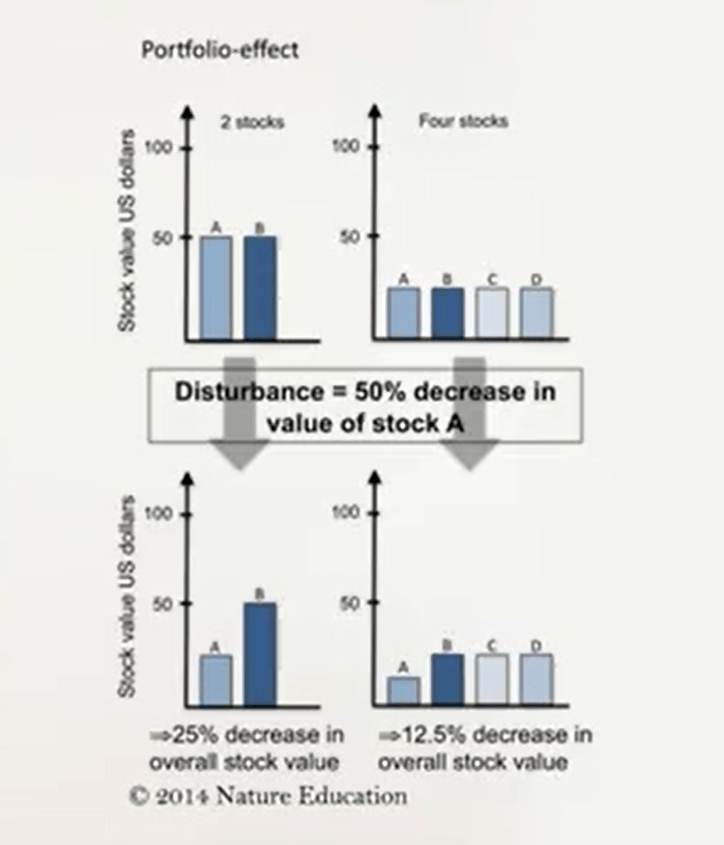
What is the effect of the numbersof species on biomass? One possible answer comes from economics and is often known as the “portfolio effect.” The idea is that an a casual investor in the stock market is more likely to sleep soundly at night if they put their money into a portfolio of shares rather than invest in sharesfrom a single company.
Statistically a portfolio investment will show less variance, a lower chance of eithervery high profits or significant losses, than an investment in a single company’s shares. In an ecological context, the suggestion is that a species reach community will also show less variation in measures of performance, such as biomass, for the same reasons. It seems very likely that this statistical averaging, the portfolio effect, will operatein many ecological communities, and indeed also at the planetary scale, where the total biomass can be very important in the physiology of a planet. James Lovelock in discussing the ruleof biodiversity in Daisy World models wrote “Distorting biodiversity will reduce the amount of species.” Among these maybe those able to flourish and to sustain the ecosystem when the next perturbation occurs. This is why biodiversity is also very important in Gaia dynamics. Thank you for your attention. See you next time.
 Mathieu GT
Legg igjen en kommentar