Hi guys, welcome to the ninth lecture ofthe course Biological Diversity Theories, Measures and Data Sampling Techniques. Today I will talk you aboutclimate change and biodiversity. I will show you the effect of climatechange on tropigenic climate change on biological diversity and ecosystems.
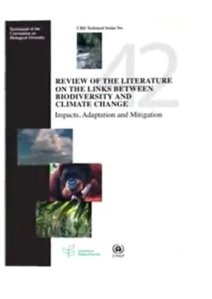
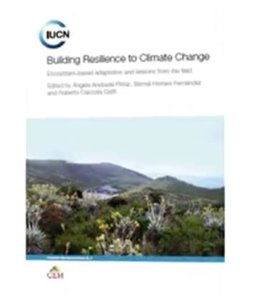
To use for reports which summarizethe literature on this topic are the technical report of the CBD and the publication of the IUCN titled, Building Resilience to Climate Change.

Let’s talk about the Cenozoic era which began about 65 million years ago and continues into the present. The global climate of the early portion of the Paleozoic period was much warmer than it is today. An overall climate of there was much more consistent regardless of proximity to the equator. The most significantperiod of global warming, known as paleocene-eocene thermal maximum,which took place 55.8 million years ago, was followed by a long, cool, dry period.
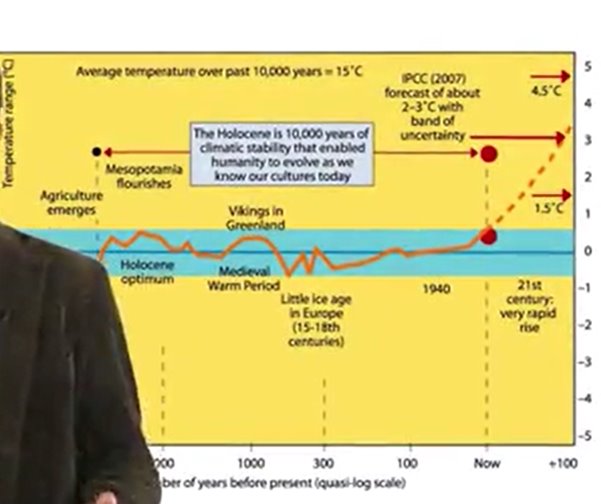
The Holocene Climate Optimum was a warm period during roughly the entire 9,000 to 5,000 years before present. The climatic event was probably the result of predictable changes in the Earth orbit, Milankovitch cycles. And that continuation of changes tocause the end of last glacial period.
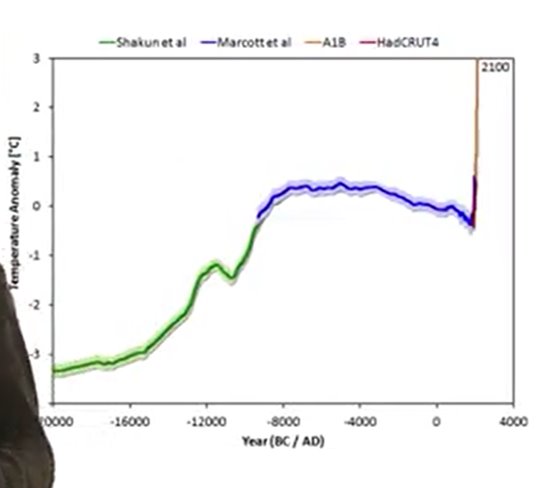
The current warming trend is of particular significance because most of it is very likely human inducive and proceeding at the rate that is unprecedented in the past 1,300 years.
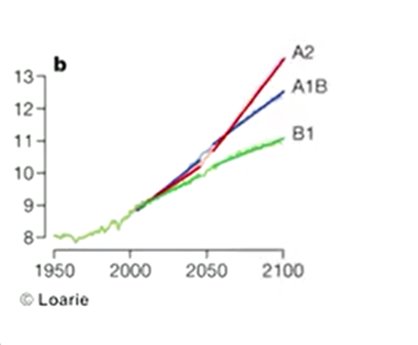

What is important in this case isthe velocity of climate change.
A recent paper published in Nature showed that temperature gradients calculated from 2000 to 2100 across three emission scenarios. These temperature gradients are plotted against the average of global land surfaceas you can see from the figure. And the global map of the velocity of climate change was calculated for a period from 2050 to 2100.
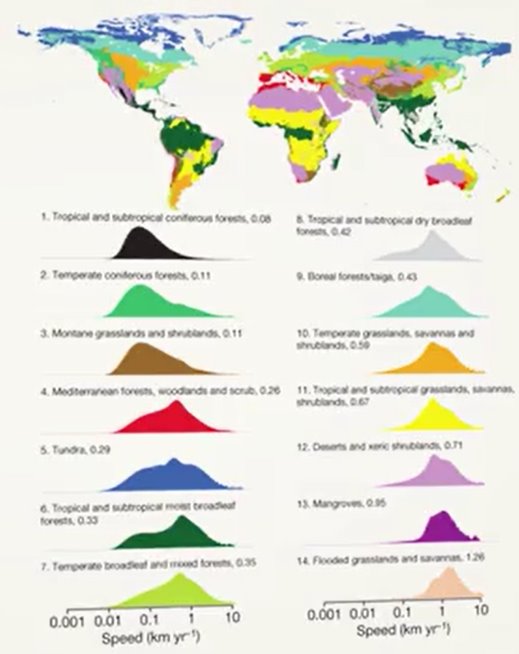
Here I show you a map of biomes and histograms of the speed of temperature change within each biome. Histograms are ordered by increasing velocity according to their geometric means.
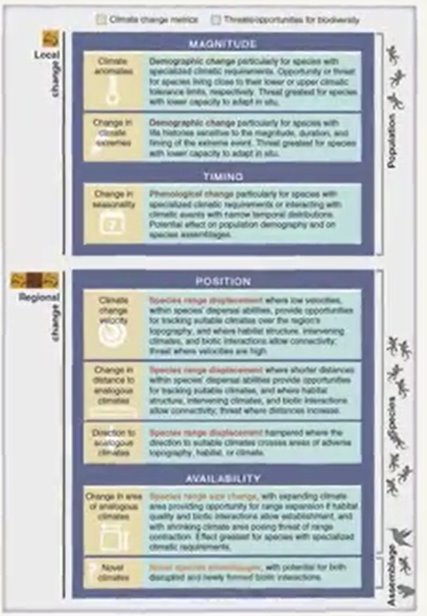
The ranges of plant and animals are moving in response to recent changes in climate. As the temperature rise, ecosystems with nowhere to go, such as mountains, are considered to be more treated.
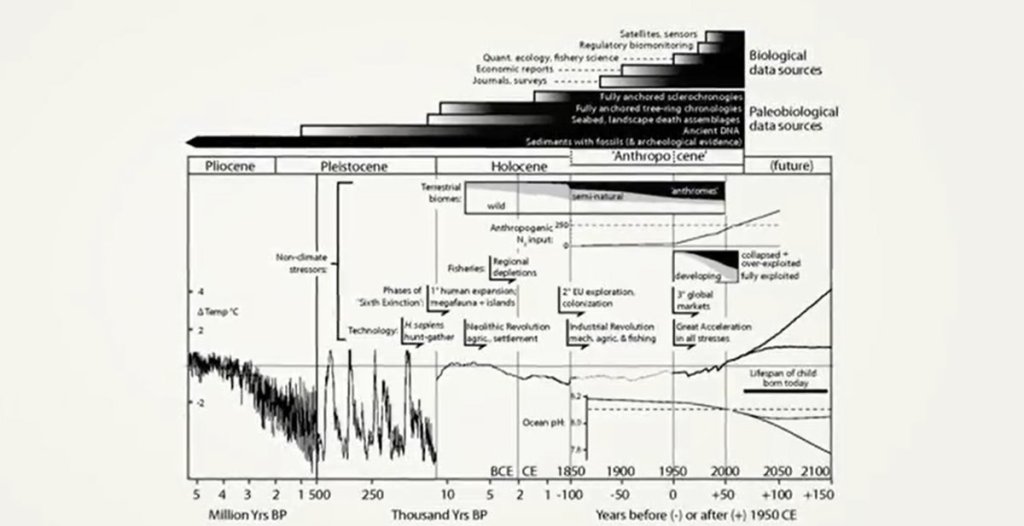
If you look at this graph,you will see historical trends in environmental conditions and technologiesover the last five million years. And are culminating innontroposy when human activities achieved a global signature.
We already see differences in the distribution of species due to temperature and precipitation. In fact, we have an increase in temperature and a decrease in precipitation.
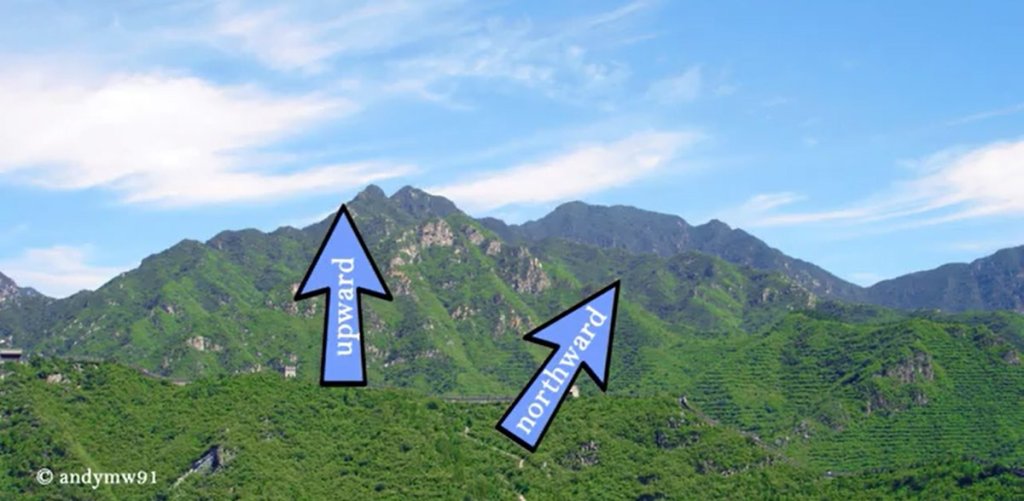
We see two different pattern or movements. The first one is a movement upward, it means that species are moving up to the mountains. The second movement isa movement northward, it means these species are moving norther. Other general impact on ecosystem that we see are in composition of species. Invasion of species. Changes in the C3, C4 dominance. The effects in the ecosystem functions, in fires, in drought and in grasslands,C4 species decline are very signficant. There are also changes in the structure of ecosystem. Gross primary production and net primary production and changing. And the balance between C3 and C4 plant metabolism is also changing. We have different effects, for instance, we have variation in nutrients and cycles. We have respiration increases, we have carbon soil loss, leaves fall timing that is changing, etc..
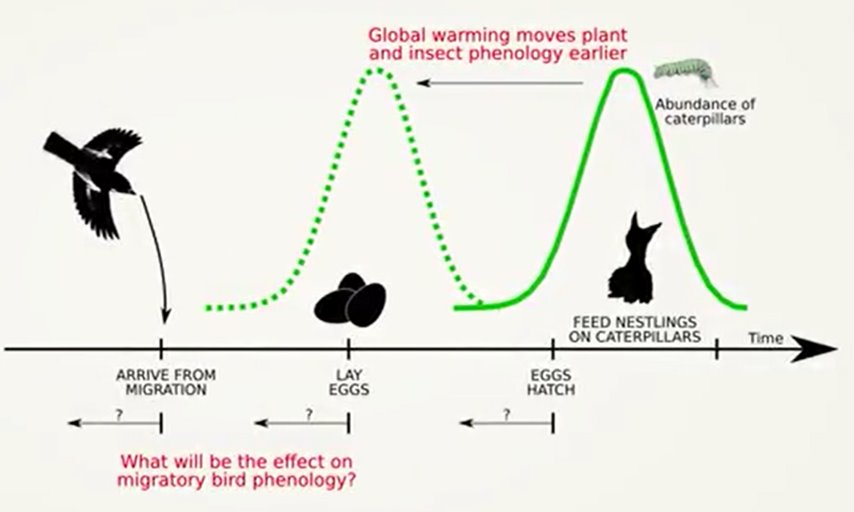
Another impact is in phenology. We have changes in the germination, in the unfolding, in the eggs laying. For instance they are anticipated in spring and their leaves fall or migration for instance, they are delayed in autumn. And these two cycles are not matching anymore.
Communities are always changing their dynamics. But we now have a look on the impacts or specific boreal ecosystems. We focus on some existence, such as grass on the savannas. And we see that even there, there are some effect of fertilization on C3 versus C4 metabolism.
For instance, we have fire, drought, precipitation, and the effect on this species and they are changing their balance. We have differences in precipitation and the net primary production. We have differences in changes in animal migration in savannas and also in phonology as I told you. Also forests and in boreal ecosystem, but not only even in tropical forests are suffering. You have forward and upward shifting of species. You also have a decline of tundra species, because taiga speciesare invading these environment. We have deciduous plant that are replacing the evergreens and we also have changes in productivity in forest. We have temporary forest communities that are changing their balance and their dynamics.
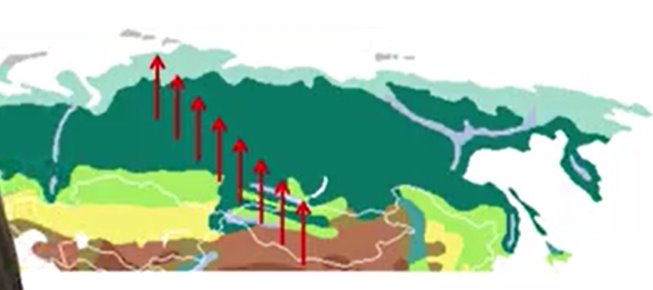
We are observing changes in tundra and the arctic. Tundra species are shifting foreward. But at the same time the problem is the taiga species are shifting tundra-wards. This means that taiga species are invading tundra and tundra has no place to where to go. One of the most important effect of climate change in boreal ecosystem is the mountains. We see the extinction of species with limited distribution which cannot move upward. We see the exactly, the island effect, is an effect where species that remain constrained in small spaces on the top of the mountains.
We see that snow without glaciers have been colonized by different lichens, fungis, species. We see that there are an increase in intraspecific competition and there are changes in the composition and the structure of the ecosystem.
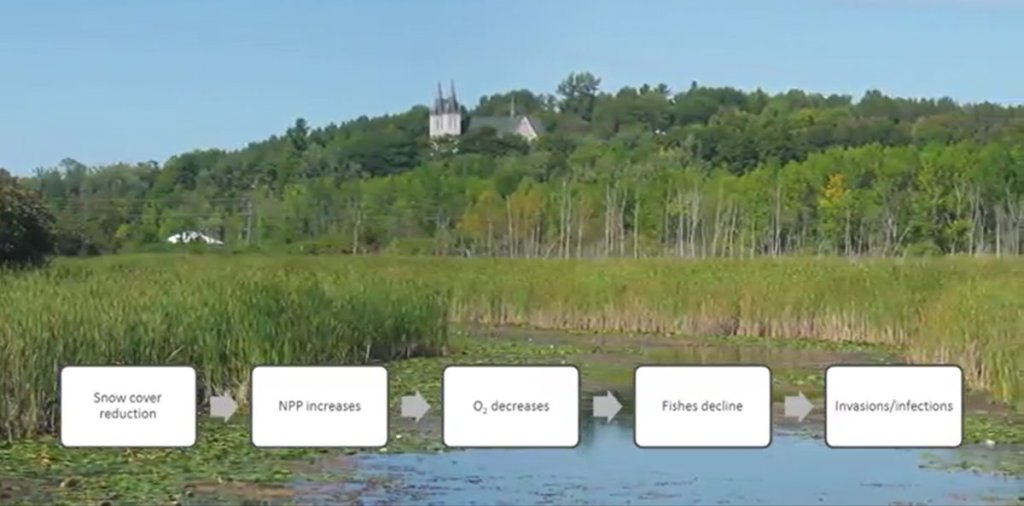
We see also effects of climate change in inland waters. There are boreal peatlands that are at risk. This is because of river changing, because of flooding and the snow cover reduction. We have the kind of cascade effects we start from the snow cover reduction and it goes to the net primary production increase because of coverage reduction by snow. And we have an oxygen decrease in water and this means that fish declines, fish die because of the absence of oxygen. And an invasion and affection effect by parasites, and predators, and invasive species. But the effects of climate change are not only on the ecosystem.
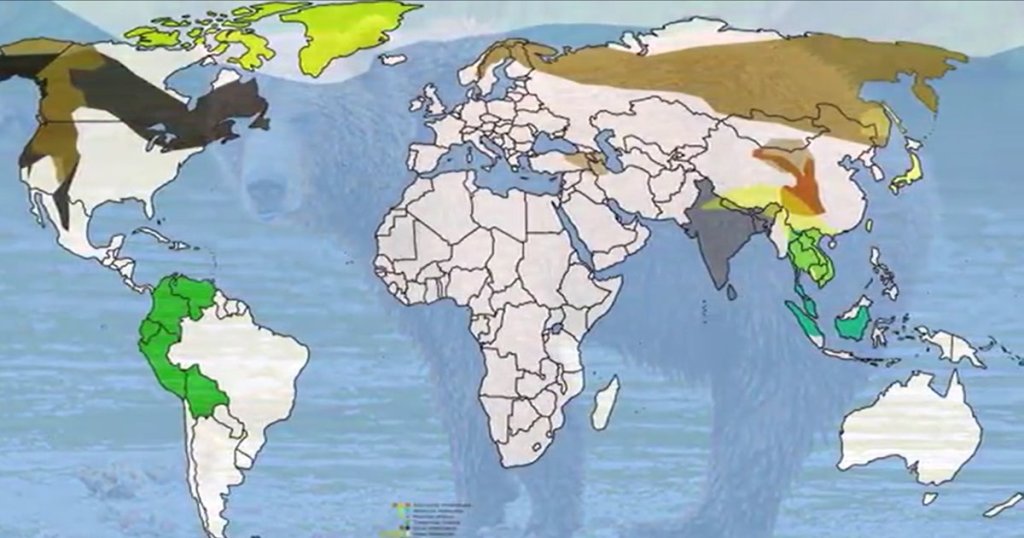
We are observing the effect of impacts on species. We are observing changes in the distribution of specific species. Areas are reducing, center of dispersion are shifting, and abundances are also changing. Of course specific species are more evolved by these impacts. We see evident the fact, as I told you in water ecosystem, because you have habitat and biological turnovers. We see that our new species interaction, because of changing in composition, new energy flows. And this shift in forward and northward are really involving specific species with limited distribution.
There are changes in dispersalability in some species. There are more competitions among functional groups. We see also that small pioneer species are invading the front ecosystems and the CO2 fertilization of C3 over the C4 plants species is a very common effect everywhere.
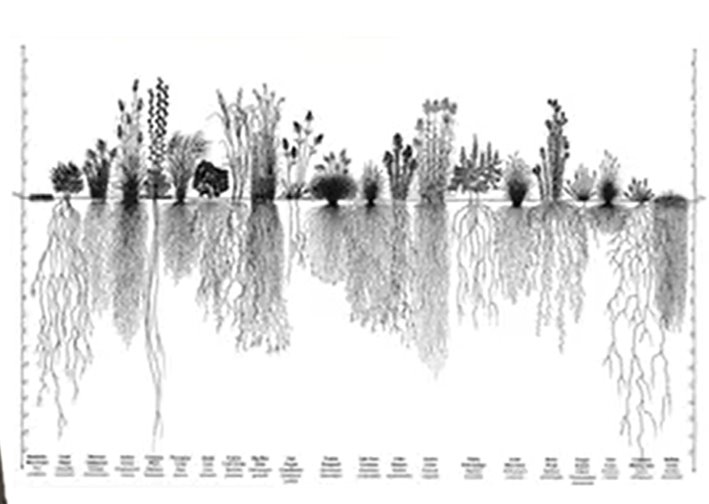
For instance, in an alpine environment, an experimental temperature increase rise negative interaction between endemic species diversity, and their rooting abilities. We have many different other changes already documented on the impact on species of climate change. For instance in pathology, in the intensity and distribution, in feeding resources, in phenology.
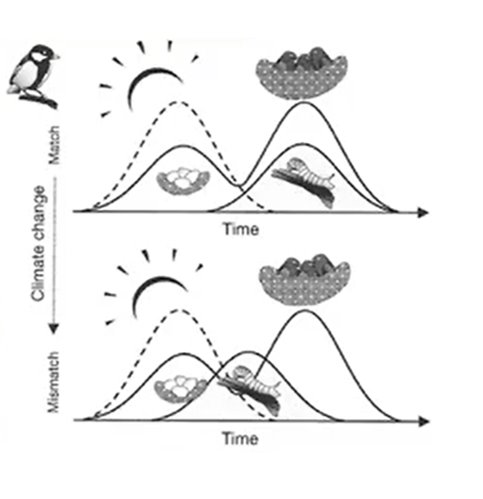
We see impact on spring migration of species because many late species at more risk. This is a mismatch between resources and migration patterns. Let’s think about caribou, elk. We also see pollination effects, grow and bio-mass effects and changes in species impact. Fecundity and also in the sex-ratio. Impact of species are also evident in the vulnerability and resilience capacity. We see northern species that are more subject to the invasion by southern species. As I told you, taiga species are moving towards tundra species. And the species are even more vulnerable, for instance insect, or reptiles, amphibians that always balance the internal temperature with the external temperature.
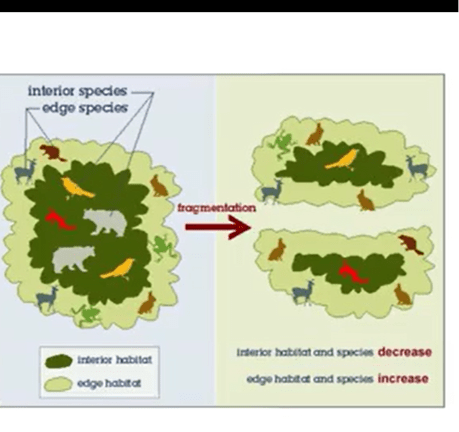
Genetic diversity is also at risk because of fragmentation of habitat.
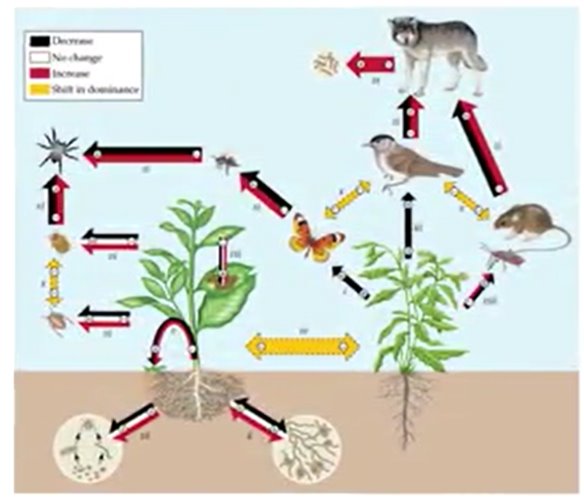
There are also ecological interaction that are changing. We see interspecies competition that is increasing. Productivity that’s probably decreasing. Plant pollination, host parasites, predator relation are always changing. And probably impression is increasing of plant. Bu the impact of climate change are not only mono directional in biodiversity. There are also climatic feedbacks on biodiversity. So for instance, we have solar respiration that is increasing because there are changes in solar biodiversity. There already is a carbon footprint, is accelerating because those species are allowing this melting. Plant are losing their carbon storage capacity because there are changes in specific composition in this ecosystem. We also observe a decrease in the albedo effect.
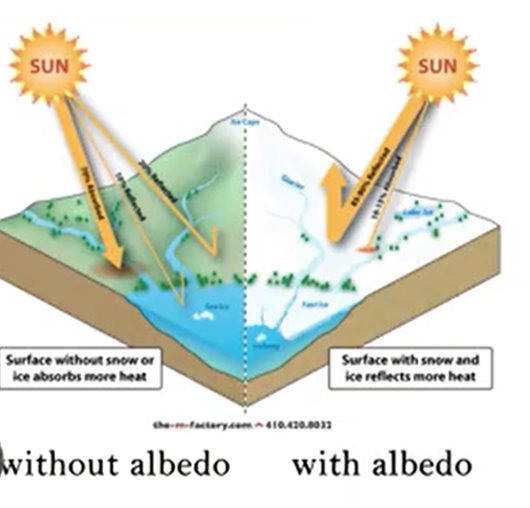
The albedo effect is the reflection of sunlight because of white, clear color such as coral. But when forest that are darker or moving northward invading tundra ecosystem, we don’t have this effect because this dark hole absorbs sun light.
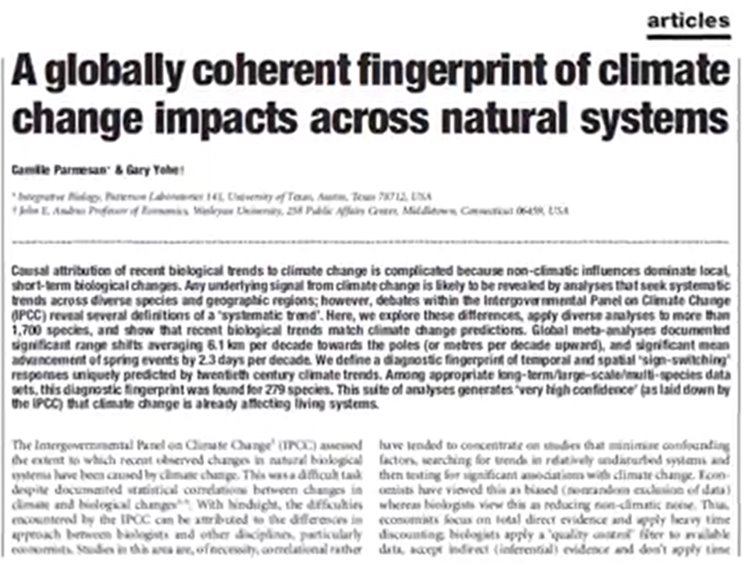
A recent article suggested that we need to define climatic fingerprints in our research. And this is because it’s very important to understand where and how climatic impacts are involving species. But to do this we need to match the IPCC or at least ought to suggested to match the IPCC levels of confidence and the economy’s view of a fingerprint. What does it mean?
 Mathieu GT
Legg igjen en kommentar