Hi, guys, welcome to the fourth lecture:Microbiological Diversity, Theories, Measures, and Data-Centric Techniques. Last time we conclude our lecturewith the idea of facilitation. I explained to you whyfacilitation plays a crucial role in the coexistence of species. Today, I will explain why the avoidanceof competition is another important mechanism which can allow toexplain these diversity of life on earth. The avoidance of competition can comethrough the Rhesus Partitioning. Rhesus Partitioning can be the reasonwhy we can see different species with similar way to live,living together in the same place.
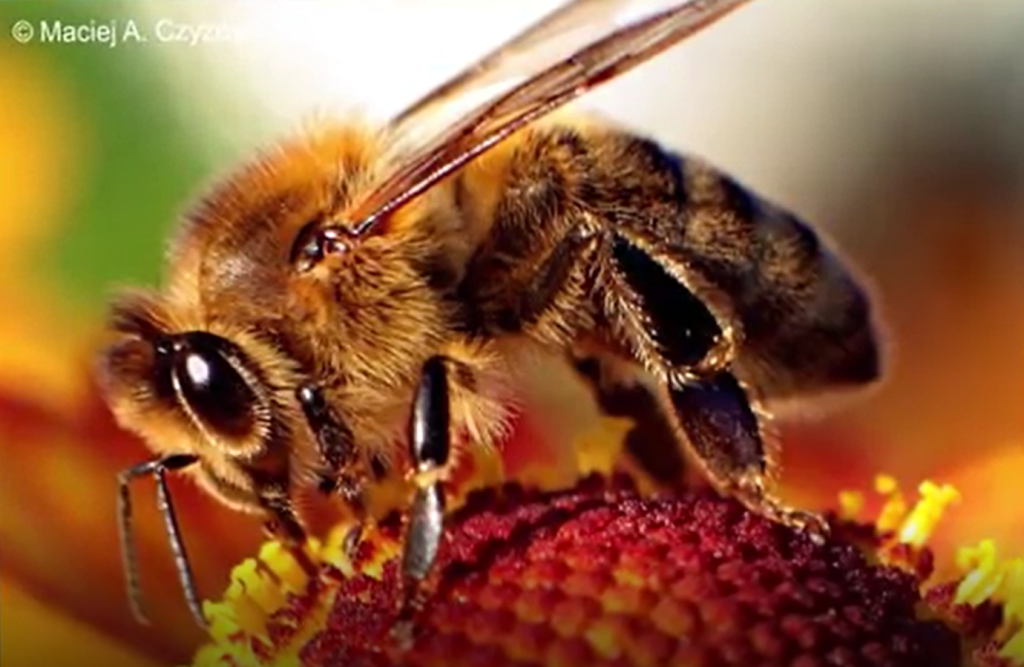
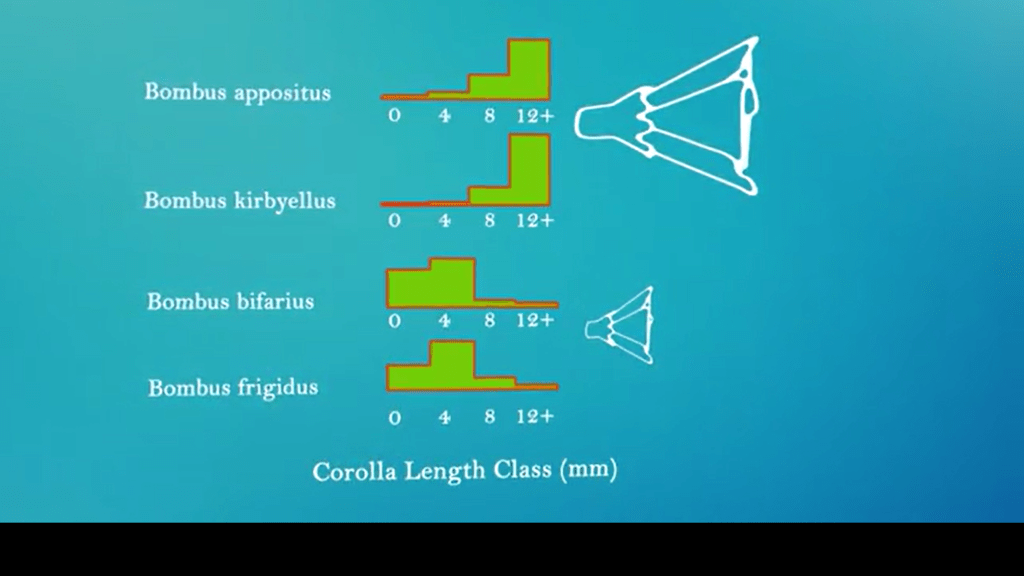
So they have different species livingin the same meadows for instance. They can survive altogetherthey can coexist. They tried to understand the mechanismthey used to coexist and what they discovered is that because of different proboscis lengths, they can feed on different corolla length flowers. In this way they divide their habits in their environment. In this way they evolve to compete.
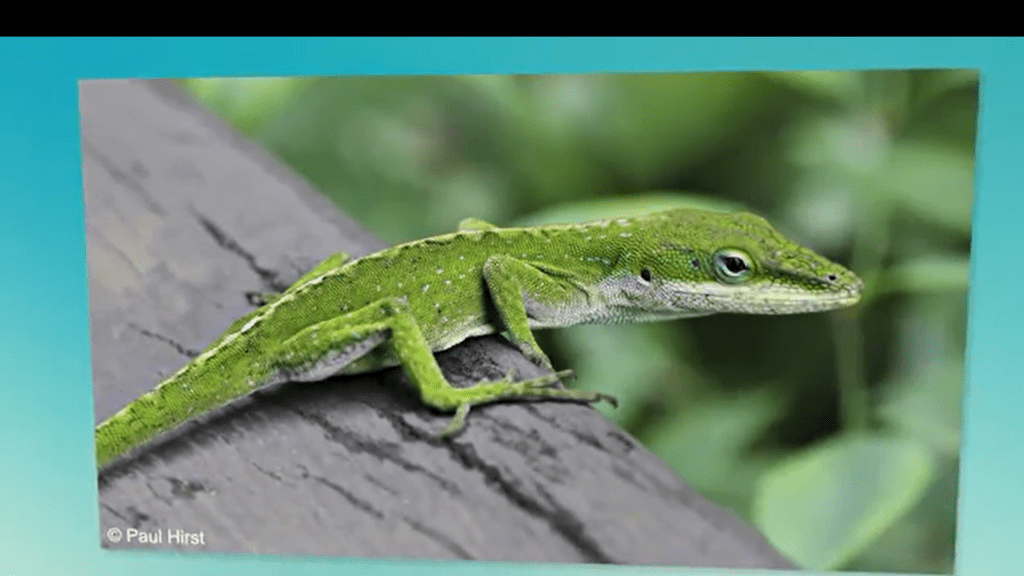
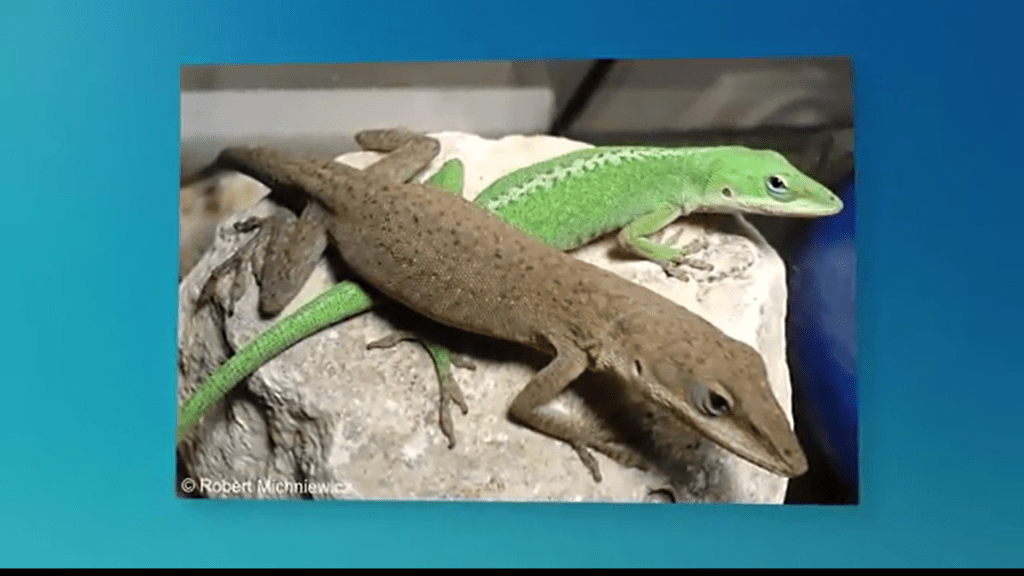
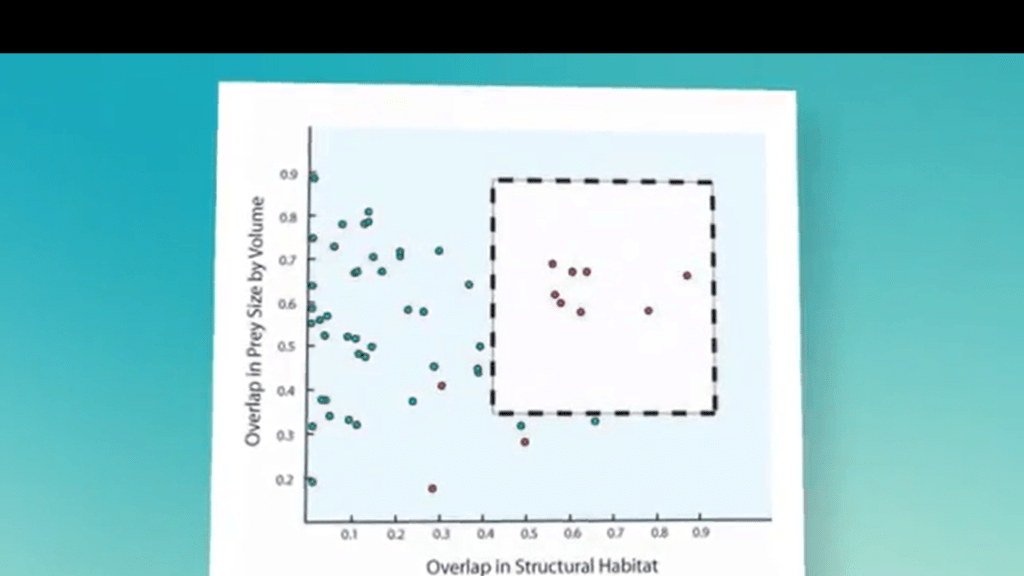
Another example ofthe avoidance of competition, tourist was partitioning comes fromAnolis lizard from Caribbean island. Scientists discovered that when thereare two species that live in the same environment, they do not overlap either in habitat or in prey size.
So resource partitioning may hold the answer to the coexistence of species that make the living similar way. Species are able to reduce intraspecific competition by using resource differently.
so following the addition of a competitor, new trends can literally evolve rightin front of the eyes of scientists. Renews intraspecific competition allow biodiversity. Ecologists they use field observation and manipulation to quantify eachdifferences between species.
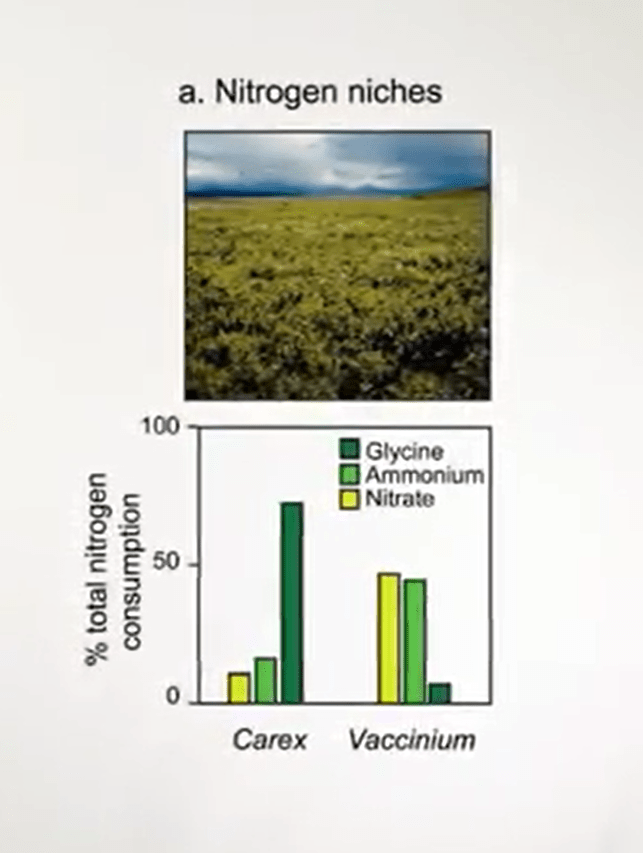
Scientist in the arctic have used chemical traces to demonstrate their plant can consume different form of nitrogen. For instance glycine, ammonium nitrate. This create difference in the niche because individual of species carex compete more with a wrong individual than they do with the other species.
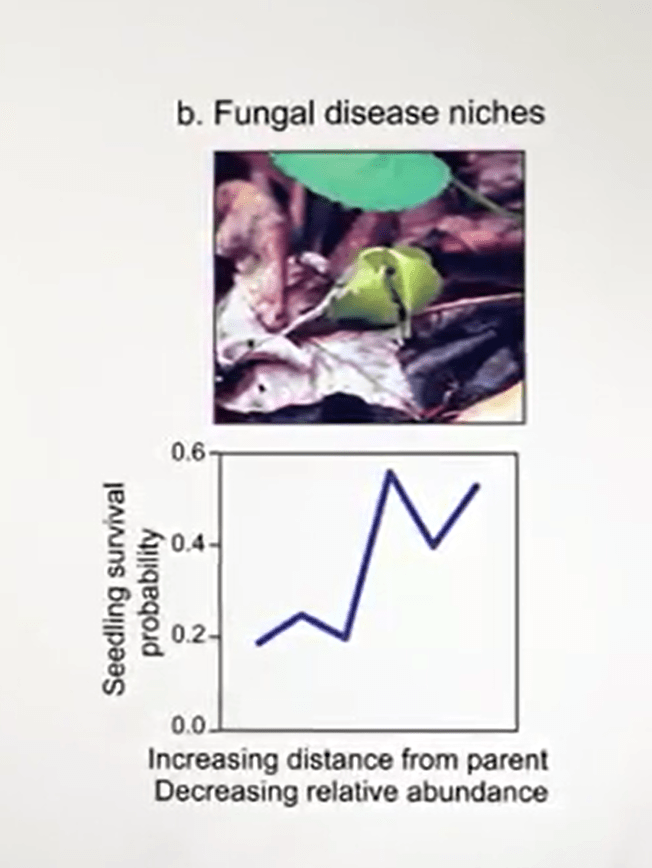
Another experiment showsthat cherry species limit their growth of their own individual more than the growth of other species. This is because fungal disease they need to grow or plant the grow near the plant infected. So they limit the population ofthe individuals of the same species.
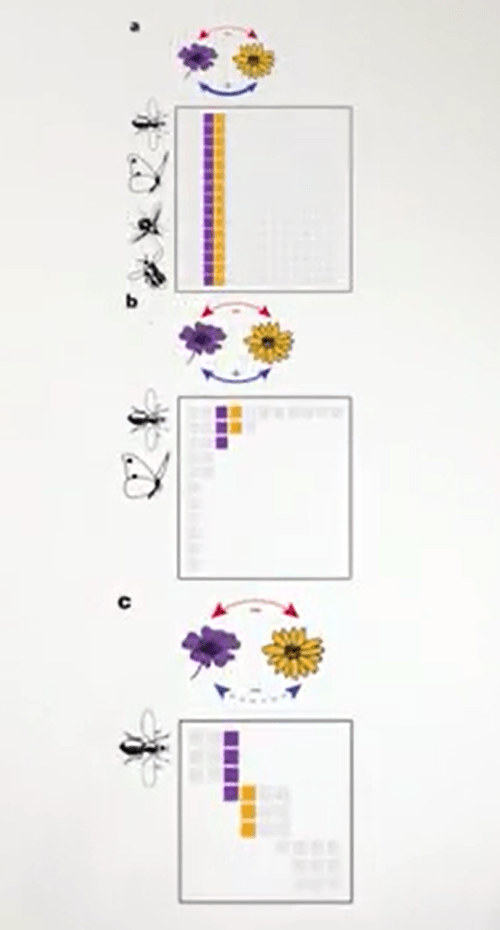
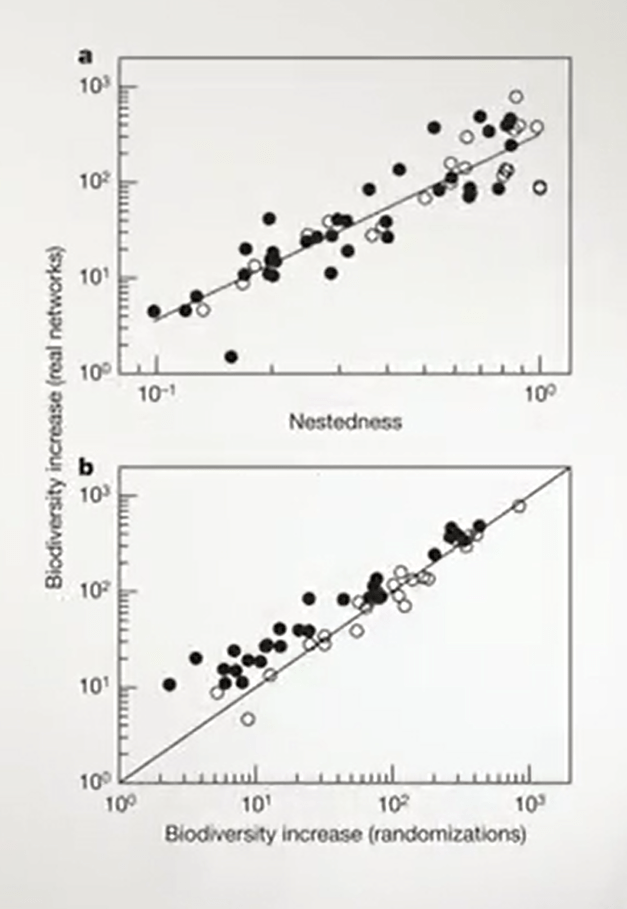
I will show you another example. This comes from another studyby Ugo Bastolla and other, published in Nature, in 2009, and this called The Architecture of Mutualistic Network Minimizes Competitionand Increases Biodiversity. You can see in each panelof this picture that plant, animal network has different structures. You will see that in a they are fully connected, and b they are nested andc they are compartmentalized. So two plants in their respective interaction are highlighted in this picture. They compete for resources such as nutrients, red arrow. But also they have indirect interaction mediated by their common pollinators in blue arrow, which may change in sign and magnitude. So this is indicated by arrow line style. As the number of shedpollinators is higher, positive affects outweigh negative ones, and the theory predicts a higher number of coexisting species asindicated by the size of the matrix.
In the biodiversity related mutual differentiation theory, I propose that the naturalstates of immigration and emigration with every environmental condition, species stand directly or indirectly, Thanks to their simple presence and life rules, to increase the number of potential niches available for the colonization of other species.

In essence, this way, the limiting post by the hypervolume, until the reach of the current capacity of the ecosystem. So we see in this picture that there is an increase of variables on the niche of the basal niche, andwhen the species that is comparable to root system increase andgrow to the trunk, and move to the leaves.
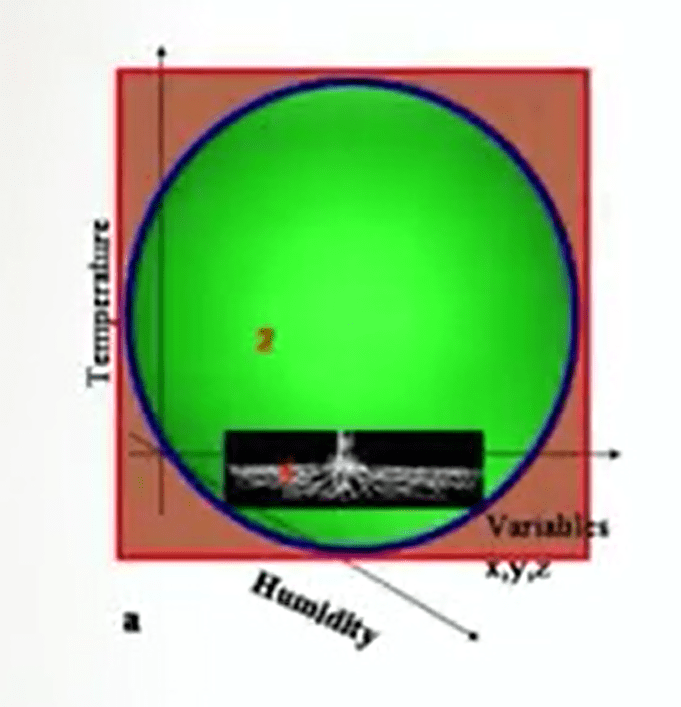
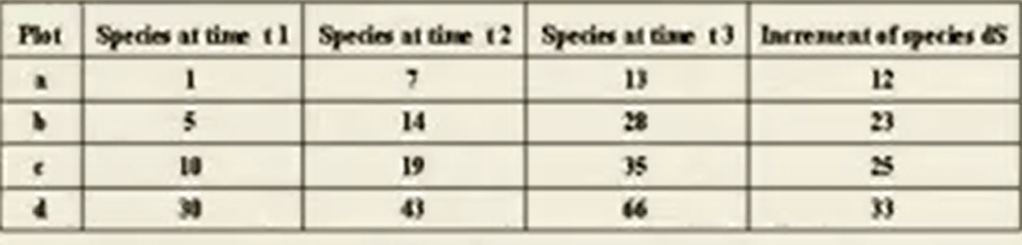
They can increase the basal hypervolume, just increasing the niche available. So in this way, they allow other species to come in the same environment. This is very similar to the idea of auto catalytic biodiversity. So biodiversity can increase their selfs. So species can increase the number, or species present in an environment. I introduce the coefficient of niche facilitation. And with this coefficient I mean that species can facilitate their arrival of other species. If you see I made an experimentjust to prove the theory. I planted different number of species in empty plot to observe the increase in number of these species along time.
So after three years,I demonstrate that the plot where more plant species had been planted, had a higher number of species. The final number was much higher comparedto than that has low number of species. This means that the morespecies you have in a plot, the more species you will have in time. This is the idea of biodiversity related mutual differentiation theory. And this is also the idea that species coexistence, is because of facilitation. That’s all for this lecture. In the next lecture we will explore the distribution of biodiversity.
 Mathieu GT
Legg igjen en kommentar